


The Fascinating World of Coats of Arms

Updated: Feb 3
Heraldry Origins Explained: How It All Began
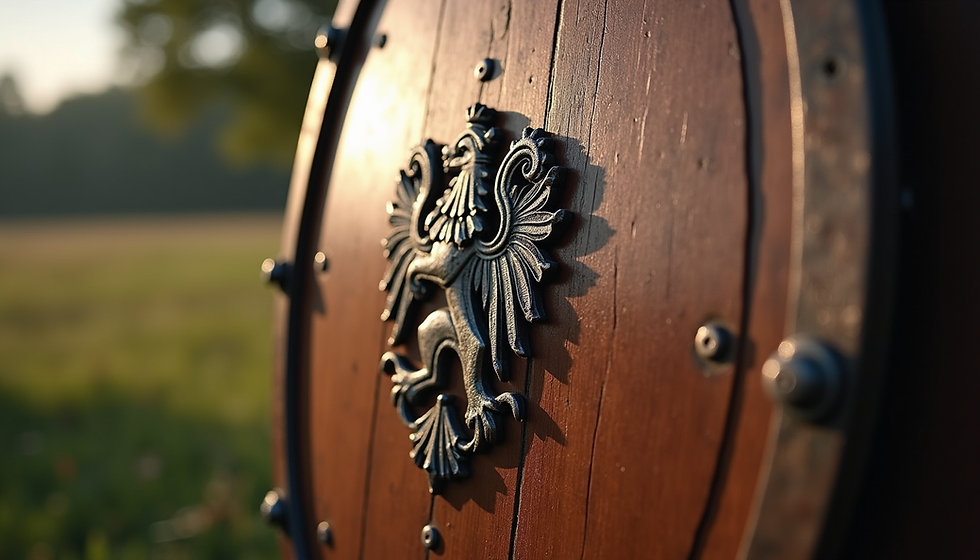
The story of coats of arms begins in medieval Europe, around the 12th century. Back then, knights wore armour that completely covered their faces, making it hard to recognise who was who during battles or tournaments. To solve this, they started painting distinctive symbols and colours on their shields and surcoats. These designs helped identify allies and foes quickly.
Over time, these symbols became more formalised and passed down through generations. What started as practical battlefield markers evolved into hereditary emblems representing family lineage, social status, and personal achievements. This system of identification is what we now call heraldry.
Heraldry quickly spread beyond knights and nobles. Towns, guilds, and even universities began adopting coats of arms to showcase their identity and values. Today, these emblems remain a proud tradition, often used by individuals, clubs, associations, and institutions to express heritage and affiliation.

The Language of Symbols: Understanding Heraldic Elements
One of the most fascinating aspects of coats of arms is their rich symbolism. Every colour, shape, and figure has a specific meaning, creating a visual language that tells a story at a glance. Here are some key elements you’ll often find:
Colours (Tinctures): Each colour carries significance. For example, gold (Or) represents generosity, blue (Azure) stands for loyalty, and red (Gules) symbolizes courage.
Charges: These are the symbols placed on the shield, such as animals, plants, or objects. A lion often denotes bravery, while an oak tree might represent strength.
Ordinaries: These are simple geometric shapes like stripes, crosses, or chevrons that divide the shield and add structure.
Crest and Helm: Positioned above the shield, the crest is a secondary symbol often displayed on a helmet, adding another layer of identity.
Motto: Many coats of arms include a motto, a short phrase expressing the values or aspirations of the bearer.
Understanding these elements can help you appreciate the depth and meaning behind any coat of arms. If you’re considering creating your own, think about what symbols best represent your story or organisation.
The Evolution of Heraldry Through the Ages
Heraldry didn’t stay static; it evolved alongside society. In the early days, designs were simple and bold for easy recognition. As time passed, they became more intricate and artistic, reflecting changes in fashion and culture.
During the Renaissance, heraldic art flourished with detailed illustrations and elaborate decorations. The rise of printing also helped spread heraldic knowledge, making it accessible to a wider audience.
In modern times, coats of arms have adapted to new contexts. Many universities, corporations, and even sports clubs have developed their own heraldic-style logos, blending tradition with contemporary design. This ongoing evolution keeps heraldry relevant and meaningful today.

How to Discover and Create Your Own Coat of Arms
If you’re intrigued by the idea of having a coat of arms, you’re not alone. Many people and organisations seek to connect with their heritage or establish a unique identity through heraldic items. Here’s how you can start your journey:
Research Your Family or Organisation History: Look into genealogical records, old documents, or local archives. You might find existing coats of arms linked to your ancestors or institution.
Understand Heraldic Rules: Heraldry follows specific rules about colours, symbols, and design. Consulting a heraldry expert or reputable sources can help you create an authentic and meaningful emblem.
Choose Symbols That Reflect Your Values: Think about what qualities or stories you want your coat of arms to convey. This could include animals, plants, tools, or abstract shapes.
Work with Skilled Craftsmen: Once you have a design, professional heraldic artists and manufacturers can bring it to life on items like shields, badges, or embroidered patches.
Register Your Coat of Arms: In some countries, you can officially register your coat of arms to protect its uniqueness and gain formal recognition.
By following these steps, you can create a beautiful and personal heraldic emblem that honours your heritage and identity.
Why Heraldry Still Matters Today
You might wonder why coats of arms are still relevant in our modern world. The answer lies in their power to connect us with history, community, and pride. Whether you’re part of a club, an association, or an institution, a coat of arms can:
Celebrate Tradition: It links you to centuries of history and shared values.
Showcase Identity: A unique emblem helps distinguish your group and fosters a sense of belonging.
Enhance Ceremonial Events: Heraldic items add dignity and colour to formal occasions.
Preserve Legacy: Passing down a coat of arms keeps family or organisational stories alive for future generations.
If you want to explore more about the fascinating coat of arms history, York Insignia Ltd offers expert guidance and high-quality heraldic products. Their craftsmanship helps individuals and institutions proudly display their heritage with custom-made insignia.
Bringing Your Heritage to Life with York Insignia Ltd
York Insignia Ltd has a long-standing tradition of crafting exquisite heraldic items. Whether you’re looking for a family crest, club badge, or institutional emblem, their team combines historical knowledge with skilled artistry to create pieces that truly stand out.
By choosing York Insignia Ltd, you’re not just getting a product - you’re embracing a story that spans generations. Their dedication to quality and authenticity ensures your coat of arms will be a cherished symbol for years to come.
If you’re ready to explore the world of heraldry and create your own emblem, why not start today? A coat of arms is more than just a design - it’s a meaningful connection to your past and a proud statement for the future.
The Importance of Custom Heraldic Items
Creating a custom coat of arms is a special journey. It allows you to express your unique identity and values. Custom heraldic items can be used in various ways. You might want to display them at family gatherings, use them for club events, or even incorporate them into your personal branding.
Personal Connection to Heritage
When you create a custom coat of arms, you’re not just designing a symbol. You’re forging a connection to your heritage. Each element of your design can reflect your family's history, values, and aspirations. This personal touch makes your coat of arms truly special.
A Lasting Legacy
Custom heraldic items serve as a lasting legacy. They can be passed down through generations, keeping your family’s story alive. Imagine your children and grandchildren proudly displaying your coat of arms, knowing it represents their roots and identity.
Community and Belonging
Custom heraldic items can also foster a sense of community. When clubs or associations adopt a shared emblem, it creates a bond among members. This shared identity can strengthen relationships and enhance the overall experience of belonging.
Conclusion: Embrace Your Story
In conclusion, the world of heraldry is rich and inviting. Coats of arms are more than just designs; they are powerful symbols of identity, heritage, and community. Whether you are looking to create your own coat of arms or simply appreciate the artistry behind them, there is much to explore.
At York Insignia Ltd, we are dedicated to helping you connect with your heritage through high-quality heraldic items. Let us help you tell your story with a beautifully crafted coat of arms that you can cherish for years to come.


Comments